What Is Online Broker?
An online broker is a digital platform that allows individuals to buy and sell financial instruments such as forex, stocks, commodities, indices, and CFDs through the internet. Instead of using traditional phone-based or in-person brokerage services, traders access global financial markets using web-based or mobile trading platforms provided by the broker. Online brokers execute trades on behalf of clients, provide pricing and market access, and offer tools such as charts, order management, and account reporting. In exchange, they earn revenue through spreads, commissions, or other trading-related fees, while regulated online brokers are required to follow strict rules to protect client funds and ensure fair trading practices.
Broker Review Contents
Best Online Brokers in 2026
Below we explain everything in details about online brokers. Here is the list of the top online brokers in 2026 which we have compiled for you
- Trading 212 – best overall brokerage company
- Pepperstone – large range of products
- ThinkMarkets– highly regulated
- Mulitbank Group-one of the best customer service
- AVA Trade – has a great demo platform
The online trading industry has evolved rapidly over the past few years, and 2026 represents a new phase in how traders evaluate and choose brokers. Low spreads and high leverage are no longer the primary deciding factors. Instead, traders now prioritize regulation, platform stability, execution quality, transparent fees, and long-term broker reliability.
With stricter global regulations, increased market volatility, and more sophisticated trading tools, choosing the best online broker in 2026 requires a deeper understanding of how brokers operate behind the scenes. This guide explains what defines top-tier brokers today and how traders can identify platforms that offer safety, fairness, and performance in an increasingly competitive market.
How Online Brokers Have Changed in 2026
Online brokers in 2026 operate in a very different environment compared to previous years. Regulatory authorities across major financial hubs have tightened oversight, forcing brokers to improve transparency, risk management, and client protection. At the same time, traders have become more informed, demanding better execution, faster withdrawals, and clearer pricing structures.
Technology has also reshaped the industry. Trading platforms are now expected to function flawlessly during high-impact market events, support algorithmic trading, and provide mobile access without limitations. Brokers that fail to meet these expectations quickly lose credibility.
As a result, the best online brokers in 2026 are those that combine regulatory strength, operational transparency, and consistent performance, rather than relying on marketing incentives or aggressive leverage.
Regulation and Safety as the Foundation
Regulation remains the most important factor when evaluating any online broker. In 2026, top brokers are almost always licensed by tier-1 financial regulators such as the Financial Conduct Authority in the UK, the Australian Securities and Investments Commission, or established European regulators operating under MiFID II.
Strong regulation ensures that brokers meet capital adequacy requirements, keep client funds segregated, and undergo regular audits. These rules exist to protect traders in the event of broker insolvency or market instability.
Another key safety feature expected from leading brokers is negative balance protection, which prevents retail traders from losing more money than they deposit. In volatile market conditions, this protection has become essential rather than optional.
Unregulated or lightly regulated brokers may still exist in 2026, but experienced traders increasingly avoid them. The best online brokers are those that demonstrate a long-term commitment to compliance and financial integrity.
Trading Platforms and Technology Standards
The quality of a broker’s trading platform directly affects execution, risk management, and overall trading experience. In 2026, traders expect platforms to be stable, fast, and capable of handling high-volume market activity without delays.
MetaTrader 4 and MetaTrader 5 continue to dominate the industry due to their reliability, advanced charting tools, and support for automated trading. Many top brokers also integrate TradingView or provide proprietary platforms with enhanced analytics, but platform stability always takes priority over visual design.
Mobile trading has become equally important. The best brokers offer mobile apps that mirror desktop functionality, allowing traders to manage positions, analyze charts, and withdraw funds directly from their devices. In 2026, a limited or poorly designed mobile platform is seen as a major drawback.
Execution Quality and Market Access
Execution quality is one of the most overlooked yet critical aspects of online trading. The best brokers in 2026 use market execution models with access to deep institutional liquidity. This approach reduces requotes and ensures trades are filled at fair market prices.
Slippage can never be completely eliminated, especially during major news events, but top brokers are transparent about execution conditions and avoid artificial price manipulation. Many traders now evaluate brokers based on consistency rather than headline spreads.
Market access also matters. While most traders focus on forex, the best brokers provide access to indices, commodities, shares via CFDs, and other instruments that allow portfolio diversification. However, offering hundreds of assets is less important than providing liquid, well-priced markets with reliable execution.
Fees, Spreads, and Cost Transparency
In 2026, cost transparency is a defining trait of the best online brokers. Traders increasingly reject brokers that hide fees behind complex pricing structures or vague disclosures.
Spreads and commissions should be clearly stated, and traders should be able to see the full cost of a trade before execution. While low spreads are attractive, consistent pricing during volatile conditions is often more valuable than occasional ultra-tight spreads that widen unexpectedly.
Non-trading fees also receive greater scrutiny. Withdrawal fees, inactivity charges, and currency conversion costs can significantly impact long-term profitability. The best brokers either minimize these fees or explain them clearly upfront.
Account Types and Trader Flexibility
Modern brokers in 2026 favor simplified account structures. Instead of offering numerous confusing account tiers, leading brokers typically provide a small number of clearly defined options for retail and professional traders.
Retail accounts focus on investor protection, conservative leverage, and risk controls. Professional accounts, available to experienced traders who meet specific criteria, offer higher leverage and fewer restrictions but with reduced regulatory protections.
Demo accounts remain an essential feature. The best brokers provide demo environments that accurately reflect live trading conditions, allowing traders to test strategies and platform performance without financial risk.
Leverage and Risk Management
Leverage remains a powerful tool in trading, but its role has changed significantly. In 2026, leverage limits are closely tied to regulatory standards. Retail traders under strict regulation are subject to leverage caps designed to reduce excessive risk, while professional traders may access higher leverage based on experience.
The best brokers clearly explain leverage rules, margin requirements, and stop-out levels. They also provide risk management tools such as stop losses, trailing stops, and margin alerts to help traders manage exposure effectively.
Rather than promoting extreme leverage, top brokers emphasize responsible trading and capital preservation.
Deposits, Withdrawals, and Fund Accessibility
Fast and reliable withdrawals are one of the strongest indicators of a broker’s trustworthiness. In 2026, traders expect withdrawals to be processed efficiently without unnecessary delays or excessive verification requirements.
The best online brokers support multiple funding methods, including bank transfers, credit and debit cards, and reputable e-wallets. Many also offer multi-currency accounts, which help reduce conversion costs for international traders.
Brokers that consistently delay withdrawals or impose complex conditions are increasingly avoided by informed traders.
Customer Support and Ongoing Service
Customer support quality plays a crucial role in long-term broker satisfaction. In 2026, traders expect support teams to be knowledgeable, responsive, and accessible through multiple channels.
Live chat, email, and phone support are standard among top brokers. However, the quality of responses matters more than availability alone. Brokers that provide clear, accurate assistance during technical or account issues tend to earn stronger reputations.
Localized support and multilingual service are additional advantages, particularly for brokers operating across multiple regions.
Education, Research, and Market Insights
While not all traders rely heavily on educational content, the best brokers in 2026 provide at least a foundational level of education and research. This includes market analysis, economic calendars, and educational articles that help traders understand market dynamics.
Some brokers go further by offering webinars, trading guides, and performance analytics. However, quality matters more than quantity. Traders value practical insights and transparent data rather than promotional content.
Who the Best Online Brokers Are For
The best online brokers are not identical for every trader. Beginners often prioritize regulation, ease of use, and educational resources. Intermediate traders may focus on execution quality and platform features, while experienced traders look for professional tools, advanced analytics, and flexible account options.
In general, the top brokers in 2026 appeal to traders who value long-term consistency, safety, and fair trading conditions rather than short-term incentives.
How to Choose the Right Online Broker in 2026
Choosing the right broker starts with understanding your own trading goals. Long-term traders typically prioritize regulation and stability, while active traders focus on spreads, execution speed, and platform performance.
Rather than searching for the broker with the lowest advertised costs, traders should evaluate how a broker performs during real market conditions. Transparency, withdrawal reliability, and regulatory standing often matter more than headline pricing.
Reading detailed broker reviews, comparing trading conditions, and testing platforms through demo accounts are practical steps toward making an informed decision.
The Role of Reputation and Track Record
In 2026, broker reputation carries more weight than ever. Traders increasingly rely on long-term track records, regulatory history, and consistent operational performance rather than marketing claims.
Brokers that have survived multiple market cycles, adapted to regulatory changes, and maintained transparent practices tend to inspire greater confidence. A strong reputation is often a sign of sustainable business practices rather than short-term growth strategies.
What is Online Broker?
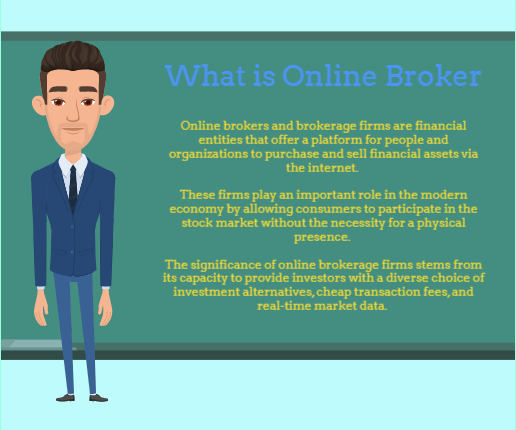
An online broker serves as a mediator or intermediary, connecting buyers and sellers of financial instruments. Online brokerage companies are financial institutions that provide individuals and organizations with a platform to buy and sell financial securities over the internet. These companies play a crucial role in the modern economy by enabling people to invest their money in the stock market without the need for a physical presence.
What is the importance of Online Brokerage Company?
The importance of online brokerage companies lies in their ability to offer investors a wide range of investment options, low transaction costs, and access to real-time market data. They also provide investors with tools to analyze market trends and make informed investment decisions. Online brokerage companies have revolutionized the investment industry by democratizing access to the stock market, making it possible for anyone with an internet connection to invest in financial securities. Their presence has therefore become increasingly important in today’s digital age.
How Online Brokerage Companies Make Money?
Online brokerage companies make money by charging fees and commissions for the services they provide. These fees and commissions can include account maintenance fees, transaction fees, and in some cases, fees for access to advanced trading platforms and tools. Additionally, some online brokers generate revenue by earning interest on the cash and securities held in their clients’ accounts.
What are the advantages of Online Brokerage Companies?
There are several advantages to using online brokerage companies. One of the most significant advantages is the lower transaction costs compared to traditional brokers. Online brokers typically charge lower fees and commissions, making it more affordable for investors to buy and sell securities. Additionally, online brokers offer easy access to a wide range of investment options, including stocks, bonds, mutual funds, and exchange-traded funds (ETFs). They also provide investors with tools to analyze market trends and make informed investment decisions.
Another advantage of using online brokerage companies is the convenience they offer. Investors can manage their accounts and make trades from anywhere with an internet connection, without the need for physical meetings or paperwork. Many online brokers also offer mobile apps, making it even easier for investors to access their accounts on the go.
Basically, online brokerage companies make money by charging fees and commissions for their services, and they offer several advantages to investors, including lower transaction costs, easy access to investment options, and convenience. As a result, they have become an increasingly popular choice for investors of all levels of experience.
How to become an online Brokerage Company?
Becoming an online brokerage company requires significant planning, preparation, and adherence to regulatory requirements. The first step is to create a business plan that outlines the company’s goals, target market, services, fees, and marketing strategy. The business plan should also include financial projections and a budget to cover initial startup costs such as legal fees, technology infrastructure, and staffing.
Once the business plan is in place, the next step is to obtain the necessary licenses and registrations to operate as a brokerage firm. In the United States, the Securities and Exchange Commission (SEC) and the Financial Industry Regulatory Authority (FINRA) oversee the regulation of broker-dealers, including online brokerage firms. These regulatory bodies require firms to register with them, pass exams, and comply with various rules and regulations.
The Financial Conduct Authority (FCA) regulates brokerage companies operating in the UK. However, simply obtaining an FCA license does not grant a brokerage company the ability to operate in Europe, as the rules and regulations have changed, particularly after Brexit. A company must now obtain a license in a European country, with many traders opting for Cyprus due to its lower cost.
Similarly, if you want to operate in Australia, Japan and other territories, as an online brokerage company, you must register with the local authority in order to onboard clients or market in those markets.
In addition to regulatory requirements, online brokerage companies must also invest in technology infrastructure to provide clients with a user-friendly trading platform, real-time market data, and access to research and analysis tools. This requires expertise in software development, cybersecurity, and data management.
There are also staffing requirements to consider. Online brokerage firms need to hire experienced professionals to handle customer support, compliance, and risk management. This includes hiring licensed securities brokers who have passed the necessary exams to qualify as registered representatives.
What Does an Online Brokerage company do?
An online broker is a financial institution that facilitates the buying and selling of financial products through an online trading platform. They provide their customers with a variety of services, including as access to multiple financial markets, investment research and analysis, trading tools, and educational materials.
What Type of instruments do online brokers offer?
Online brokers offer a wide variety of financial instruments for clients to trade. These include stocks, bonds, options, mutual funds, exchange-traded funds (ETFs), futures, and currencies. Some online brokers also offer access to more specialized instruments such as commodities, cryptocurrencies, and derivatives.
How Online Brokerage companies execute trades?
To execute trades on behalf of clients, online brokers use their trading platform to provide real-time market data and analysis. Clients can then use this information to make informed trading decisions and place orders through the platform. Online brokers typically offer two types of order executions: market orders and limit orders. A market order is an instruction to buy or sell a security at the current market price, while a limit order is an instruction to buy or sell a security at a specified price or better.
The online broker executes the trade on behalf of the client once they place an order. This involves submitting the order to the relevant exchange or market maker and waiting for the order to be filled. The online broker will then confirm the trade to the client and update their account balance accordingly.
Do regulatory bodies regulate Online Brokerage companies?
Financial authorities regulate online brokerage companies in most countries to ensure they operate in a fair and transparent manner and protect investors from fraudulent activities. However, some online brokers operate in jurisdictions without regulatory oversight or without registering with relevant regulatory bodies.

If a company is not regulated, what are the consequences?
The consequences of not being regulated can be severe for both the online brokerage company and their clients. Without regulation, there is a higher risk of fraud, mismanagement, and inadequate client protection. Clients may be vulnerable to fraudulent activities, including unauthorized trading, market manipulation, and Ponzi schemes. In addition, clients may not have access to dispute resolution mechanisms or compensation funds in the event of a dispute or bankruptcy.
What is the importance of being regulated?
Being regulated is important for an online brokerage company because it helps to establish credibility and trust with clients. Regulation provides a framework for ethical behavior and best practices, and helps to ensure that the online broker is operating in the best interests of their clients. Regulatory bodies set standards for financial stability, transparency, and compliance with anti-money laundering laws, among other things.
Regulatory oversight ensures that financial crimes are prevented and clients’ funds are held in secure accounts.
In addition, regulation requires online brokerage companies to maintain a certain level of capital. This helps ensure that they have sufficient resources to meet their financial obligations to clients. Furthermore, regulation requires them to have adequate risk management and compliance policies in place. This is to protect clients from losses due to market volatility or other risks.
How Does Online Brokerage Make Money?
Fees and charges are charged by online brokerage firms for the services they offer. Account maintenance fees, transaction fees, and, in certain situations, fees for access to sophisticated trading platforms and tools are examples of fees and commissions. Furthermore, some online brokers make money by earning interest on cash and securities held in their clients’ accounts.

Conclusion
To conclude, an online brokerage company that is regulated plays a crucial role in the markets. It allows users to trade from the comfort of their bed using a mobile app or web-based platform. Most brokerage companies make money through the spread difference, although some have alternative business models. Online brokerage companies provide their customers with a wide range of products at much lower prices than previously possible.
To become an online brokerage company, you need a solid business plan, adequate capital, and registration with the relevant authority.
To Find reliable online brokers visit.
FAQs
1. What does an online broker do?
An online broker provides a digital platform that allows traders to buy and sell financial instruments such as stocks, forex, commodities, and CFDs through the internet.
2. How do online brokers make money?
Online brokers earn money through spreads, commissions, overnight fees, and sometimes non-trading fees like withdrawals or currency conversion charges.
3. Are online brokers safe to use?
Online brokers can be safe if they are regulated by reputable financial authorities and follow rules such as client fund segregation and transparency requirements.
4. What can I trade with an online broker?
Most online brokers offer access to forex, stocks, indices, commodities, and CFDs, while some also provide cryptocurrency trading depending on regulation.
5. Do I need a lot of money to use an online broker?
No, many online brokers allow traders to start with relatively small deposits, although the minimum amount depends on the broker and account type.



