Stock Market Today: Stocks Fall as Turkish Lira Plunges – Key Reasons Explained
Global financial markets are experiencing turbulence, with stocks falling sharply and the Turkish lira (TRY) plummeting against major currencies. Investors are concerned about recession risks, monetary policy changes, and regional economic instability. In this guide, we analyze the factors driving today’s market moves, the reasons behind the lira’s weakness, and what traders and investors should watch closely.
Broker Review Contents
Daily Market Snapshot
- Global Indices:
- S&P 500: Down X%
- Dow Jones: Down X%
- Nasdaq: Down X%
- FTSE 100: Declined X%
- Nikkei 225: Lost X%
- Market Volatility: Increased as investors adjust positions in response to economic and geopolitical developments.
- Major Movers: Technology and financial sectors led the declines, while energy stocks showed relative resilience.

Dow Jones And European Markets Fall
Concerns about additional omicron-induced limitations weighed on U.S. equities futures, Asian markets, and crude oil, while Goldman Sachs Group Inc. lowered its growth predictions for the United States after a setback for President Joe Biden’s economic strategy. The MSCI Asia-Pacific shares index was set to decline for the sixth time in seven sessions. In a cautious mindset, Treasury rates fell, gold rose, and the currency kept its gains from Friday.
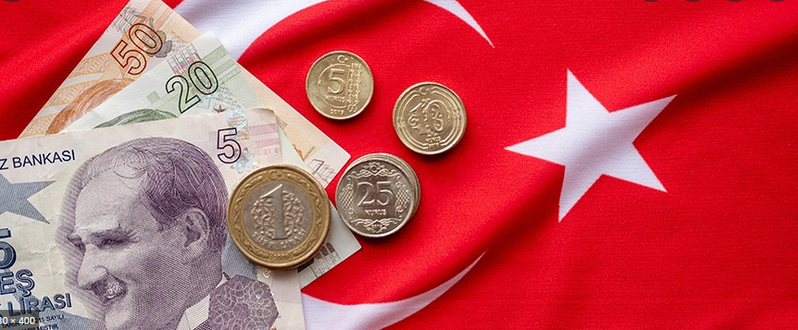
Why is the Turkish Lira dropping?
President Recep Tayyip Erdogan promised to keep cutting interest rates, which have made the lira the worst-performing currency in the world over the last three months, citing Islamic prohibitions on usury as the basis for his current policy thrust. “What exactly is it?” Interest rates are being lowered. Expect nothing less from me,” Erdogan declared in televised remarks from Istanbul on Sunday. “As a Muslim, I will continue to do what the faith requires,” Erdogan stated.
China Lowers Borrowing costs
For the first time in 20 months, Chinese banks lowered borrowing costs, bolstering an economy reeling from a property slump and sporadic virus outbreaks. The People’s Bank of China announced on Monday that the one-year loan prime rate was reduced to 3.8 percent from 3.85 percent in November, the first decrease since April 2020. The move follows the PBOC’s action earlier this month to cut the amount of cash banks must hold in reserve.
Bottom Line
This is not time for you to sit on the sideline, take the opportunity to trade the markets and find your best broker here.
Why Stocks Are Falling Today
Stocks are reacting to a combination of macro and market-specific factors:
1. Recession Fears
Global economic data indicates slowing growth in major economies. Manufacturing indices, consumer spending, and employment figures suggest reduced economic activity, leading investors to adopt a risk-off approach.
2. Central Bank Policies
Recent hawkish statements from central banks, particularly the U.S. Federal Reserve, signal ongoing interest rate hikes to fight inflation. Higher borrowing costs negatively impact corporate earnings and equity valuations.
3. Corporate Earnings
Disappointing earnings reports from key companies have added to negative sentiment, particularly in sectors like technology and discretionary spending.
4. Geopolitical Events
Ongoing tensions in global markets, trade disputes, and regional conflicts have contributed to uncertainty, pushing investors toward safer assets.
5. Market Sentiment
Indicators such as the VIX (Volatility Index) show elevated fear levels, while the Fear & Greed Index points toward extreme risk aversion.
Why the Turkish Lira Is Plunging
The Turkish lira has weakened sharply, primarily due to monetary policy concerns and economic instability:
1. Central Bank Decisions
Unexpected rate cuts and policy decisions from the Central Bank of Turkey have undermined confidence in the currency.
2. Inflation Pressures
Turkey’s persistent high inflation reduces the lira’s purchasing power and erodes investor confidence.
3. Capital Flight
Investors are moving capital out of Turkish assets in search of safer returns, further pressuring the currency.
4. Geopolitical Risks
Regional instability and diplomatic uncertainties also contribute to the currency’s decline.
How Currency Turmoil Influences Markets
- A weak lira increases costs for Turkish importers and companies with foreign debt.
- Investors in emerging markets may reassess risk exposure, leading to broader equity market declines.
- Spillovers can affect global commodities, forex markets, and regional equities.
Key Market Indicators to Watch
- VIX (Volatility Index): Measures investor fear and market stress.
- Treasury Yields: Rising yields can attract capital away from equities.
- USD Index (DXY): Dollar strength influences emerging market currencies, including TRY.
- Commodity Prices: Oil, gold, and base metals often reflect investor sentiment.
Sector-Specific Impact
- Financials: Sensitive to interest rate movements and credit risks.
- Technology: Vulnerable to risk-off sentiment and lower valuations.
- Industrials: Affected by slowing global demand and supply chain disruptions.
- Consumer Discretionary: Declines as consumer spending slows in anticipation of a recession.
Technical Market Analysis
Stock Market Trends:
- Key support levels for S&P 500 and Dow Jones
- Resistance zones and trend channels
- Momentum indicators such as RSI and MACD to detect oversold conditions
Turkish Lira Outlook (USD/TRY):
- Current trendlines indicate a strong downtrend
- Watch key support levels for potential stabilization
- Technical indicators suggest continued volatility
Expert Opinions
- Economists: Warn that global growth risks and domestic policy missteps could continue pressuring markets.
- Analysts: Recommend caution and monitoring central bank communications closely.
- Traders: Focus on hedging positions and using stop-loss strategies to manage risk.
Implications for Investors
Short-Term Traders
- Hedge positions using options or futures
- Monitor volatility indices and currency movements closely
- Avoid overexposure to emerging markets
Long-Term Investors
- Diversify portfolios across asset classes
- Consider safe-haven assets like gold and U.S. Treasury bonds
- Stay informed on macroeconomic data and policy announcements
Safe-Haven Assets
- Gold & Silver: Traditional stores of value during market turbulence
- Treasury Bonds: Offer capital protection and stable returns
- USD Strength: Investors may rotate into dollar-denominated assets
- Defensive Stocks: Utilities and consumer staples often outperform in risk-off periods
Emerging Markets & Global Contagion
- Weakness in the lira may spill over to other emerging markets
- Correlation with regional equities and commodity markets can amplify volatility
- Investors should monitor emerging market ETFs and currency baskets
Conclusion: Key Takeaways
- Global stocks are declining due to recession fears, policy shifts, and geopolitical uncertainty.
- The Turkish lira is under pressure from central bank decisions, inflation, and capital flight.
- Investors should monitor macroeconomic indicators, manage risk, and consider safe-haven assets.
- Technical and fundamental analysis can guide both short-term trading and long-term investment decisions.



