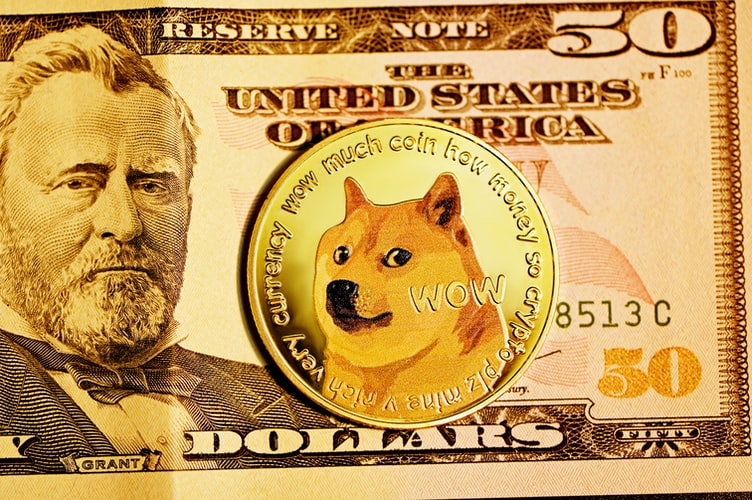
Shiba Inu (SHIB) has emerged as one of the most talked‑about cryptocurrencies over the past few years. Originally created as a meme token, SHIB has grown into a vibrant ecosystem with decentralized finance (DeFi) features, community‑driven initiatives, and real utility through platforms like ShibaSwap and Shibarium. If you’re considering investing in Shiba Inu, this guide walks you through everything you need to know — from basics and strategies to risks and step‑by‑step investing instructions.
Broker Review Contents
Buy and hold
HODLing is a popular investing technique in the crypto industry in particular. This essentially means buying and holding a cryptocurrency for the long run. Due to the volatility of the crypto markets, many investors choose to HODL. With a strong community and Elon Musk tweets Shiba Inu has a few of the checkboxes ticked for a good project.
You can buy Shiba Inu NOW at the following exchanges:
Trade Shiba Inu (SHIB) CFDs
The second method to trade in SHIB is via CFDs. In this scenario, you only trade on the price of the coin, speculating whether it will go up or down in value. contract that allows you to speculate on the price movement of SHIB. Thus you don’t own the actual coin but are just trading on its price. This option could be appealing to day traders, or investors who are looking to hedge their portfolio in the short term as usually overnight holding rates for Crypto CFDs tend to be high.
Because the CFDs are leveraged products, which basically means that you can use a smaller amount of capital to trade bigger positions, the potential gains can be higher. On the other hand, they may potentially suffer substantial losses due to the high risks.
You can trade Shiba Inu CFDs NOW with these brokers:
Shiba Inu Day Trading
There are a few options for the active traders to trade Shiba Inu. One of them is to use Crypto CFDs as mentioned earlier. The other is to trade crypto futures on a crypto exchange. They are similar to CFDs as you only speculate on the price of SHIB rather than own the actual coin. Also the crypto futures don’t have expiration dates like traditional futures markets, making it easier for traders.
Remember to switch to the derivatives/futures section of the crypto exchange to access these. Also keep in mind that for residents of some countries futures trading isn’t available.
You can trade Shiba Inu Futures NOW with these exchanges:Binance FTX OKEX Bybit
What Is Shiba Inu (SHIB)?
Shiba Inu is an Ethereum‑based (ERC‑20) cryptocurrency that started as a playful alternative to Dogecoin (DOGE). Despite its origins, SHIB has developed a dedicated community and expanding ecosystem that includes:
- ShibaSwap — a decentralized exchange (DEX)
- Burn mechanisms — reducing circulating supply
- Shibarium — a Layer‑2 scaling solution
- NFTs and community projects
Understanding SHIB’s ecosystem helps you make more informed investment decisions.
Why People Invest in Shiba Inu
Investors are drawn to Shiba Inu for several reasons:
- Massive Community Support — SHIB has one of the largest and most active crypto communities.
- High Volatility, High Reward Potential — Price swings create opportunities for traders.
- Developing Ecosystem — ShibaSwap, Shibarium, and token burns can affect long‑term value.
- Meme Crypto Appeal — Social sentiment and viral interest drive attention and liquidity.
However, it’s essential to balance excitement with caution and strategy.
Step‑by‑Step: How to Invest in Shiba Inu (SHIB)
Here’s a practical walkthrough for both beginners and experienced traders:
1. Choose a Crypto Exchange
You need a reliable platform that supports SHIB trading. Popular exchanges include:
- Binance
- Coinbase
- Kraken
- KuCoin
- Bitfinex
Before choosing, consider factors like fees, security, payment methods, and supported countries.
2. Create and Verify Your Account
Once you pick an exchange:
- Sign up with your email or phone
- Verify your identity (KYC)
- Enable 2‑Factor Authentication (2FA) for added security
These steps protect your account and ensure compliance with regulations.
3. Deposit Funds
You can invest in SHIB by depositing:
- Fiat currency (USD, EUR, JPY, etc.)
- Cryptocurrency (BTC, ETH, USDT, etc.)
Depending on the platform, you may need to convert fiat to another crypto (like USDT or BTC) before purchasing SHIB.
4. Buy Shiba Inu (SHIB)
Once your account is funded:
- Go to Trade or Markets
- Search for the SHIB trading pair (e.g., SHIB/USDT)
- Enter the amount you want to buy
- Choose an order type:
- Market Order — Buys immediately at current price
- Limit Order — Buys at a specific price
Confirm the trade, and SHIB will be added to your exchange wallet.
5. Transfer to a Personal Wallet (Optional but Recommended)
For long‑term holding, consider moving SHIB to a secure wallet:
- Hardware wallets: Ledger Nano, Trezor
- Software wallets: MetaMask, Trust Wallet
- ERC‑20 compatible wallets
Keeping SHIB off exchanges reduces theft and hacking risk.
Investment Strategies for SHIB
Here are common approaches you can consider:
1. HODLing (Long‑Term Investing)
Holding SHIB long term aims to capture potential major upside if demand grows.
Benefits:
- Lower stress from daily price fluctuations
- Potential for significant returns over time
Drawbacks:
- Requires conviction and risk tolerance
2. Swing Trading
Swing traders buy on dips and sell near resistance levels.
Tools used:
- Support & resistance
- RSI, MACD
- Volume analysis
Benefits:
- Capitalizes on volatility
- Adds structure to decisions
3. Dollar‑Cost Averaging (DCA)
DCA involves investing a fixed amount at regular intervals, reducing the impact of volatility.
Example:
Buy SHIB every week regardless of price.
Benefits:
- Reduces emotional trading
- Smoothens entry price over time
Managing Risk When Investing in SHIB
Cryptos like SHIB are highly volatile. Here’s how to manage risk:
1. Only Invest What You Can Afford to Lose
Never risk money you depend on for daily expenses.
2. Set Stop‑Loss & Take‑Profit Levels
Protect profits and limit losses by placing strategic orders.
3. Diversify Your Portfolio
Don’t put all your capital into one asset.
Fees and Costs to Be Aware Of
- Trading fees: Charged by exchanges per transaction
- Withdrawal fees: For moving SHIB to external wallets
- Spread costs: Difference between buy and sell price
Always check fee schedules before trading.
How Token Burns Affect SHIB’s Price
Shiba Inu employs a burn mechanism — permanently removing SHIB tokens from circulation to reduce supply and potentially support price over time. Burn events are executed via:
- Voluntary burns
- Exchange‑based burning initiatives
- Community burn projects
Lower supply with equal demand typically supports higher prices, but it’s no guarantee.
ShibaSwap & the SHIB Ecosystem
ShibaSwap is Shiba Inu’s decentralized exchange — a key ecosystem component that offers:
- Liquidity pools
- Staking and earning rewards
- Token swapping with low fees
Participating in ShibaSwap can offer additional utility and passive yields on SHIB holdings.
Tax Considerations When Investing in SHIB
Taxes on cryptocurrency investments vary by country:
- Capital gains tax: When you sell SHIB at a profit
- Income tax: If you earn rewards or staking yields
- Record keeping: Maintain trade history and receipts
Consult a tax professional in your jurisdiction to stay compliant.
Common Mistakes to Avoid
- Chasing price pumps without strategy
- Leaving SHIB on exchanges long‑term
- Ignoring news and ecosystem developments
- Failing to use risk management tools
SHIB Price Outlook: What Investors Should Watch
Factors that can influence SHIB’s price:
📌 1. Market Sentiment
Crypto markets rarely move independently; Bitcoin and Ethereum trends often set the tone.
📌 2. Shibarium Launches & Upgrades
Layer‑2 scaling can improve network utility and attract new users.
📌 3. Token Burn Events
Aggressive burns may reduce supply pressure.
📌 4. Exchange Listings
New exchange listings can improve liquidity and awareness.
Summary: Keys to Smart SHIB Investing
- Choose the right exchange and secure wallet
- Understand entry, exit, and risk strategies
- Diversify your crypto portfolio
- Stay informed on ecosystem developments
- Manage emotions and avoid impulsive trades
Conclusion: Is Shiba Inu Worth Investing In?
Shiba Inu offers both speculative potential and growing ecosystem utility, but it also carries significant volatility risk. Whether you’re a long‑term HODLer, swing trader, or beginner investor, a clear strategy and risk management are essential.