Broker Review Contents
Description of bear trap
In financial markets, a bear trap is a classic setup that lures traders into thinking a downtrend will continue — only to see prices reverse sharply higher. Bear traps can erode profits, trigger stop losses, and shake confidence, but they are avoidable with the right tools and tactics.
This guide breaks down:
Risk management tactics to escape or avoid bear traps
What a bear trap is
How to identify one using technical and fundamental tools
Real chart examples (described for inclusion)
A comparison of key indicators traders rely on
A trading event calendar to help anticipate market structure traps
Price reversals may baffle even the most seasoned traders. Despite the fact that it is advised to remain engaged for the lengthy period necessary to weather such periods of volatility. It is crucial to spot indications of a false reversal, or a temporary shift in price direction, before continuing the underlying trend.
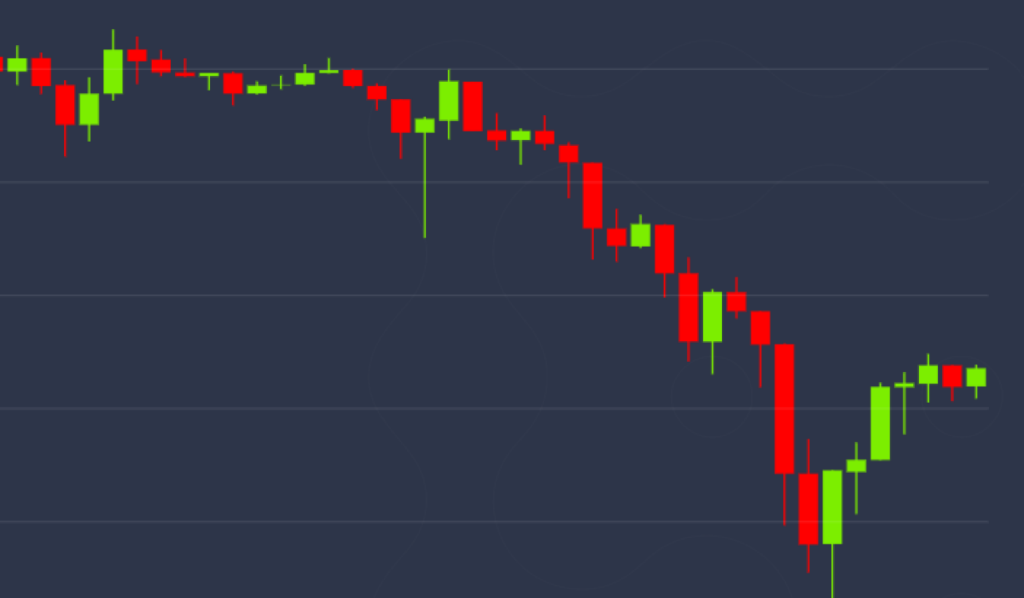
1. What Is a Bear Trap? — Definition and Psychology
A bear trap occurs when price action breaks below a key support level or a psychologically significant price point, convincing traders that a bearish trend continues — only for the price to reverse and accelerate higher. This move “traps” bearish traders who enter short positions or sell long holdings prematurely.
Why It Happens:
- False breakouts occur due to low liquidity, news reaction overreactions, or intentional manipulation by larger market participants.
- Retail traders often panic‑sell when key levels are broken — only to regret it when prices snap back.
Key Concept
A bear trap isn’t a new downtrend — it’s a false signal that lures traders into a losing position.
2. Bear Trap vs. Real Downtrend — Key Differences
Understanding the difference is crucial for survival.
| Feature | Bear Trap | Real Downtrend |
| Break of Support | Quick reversal soon after | Sustained breakdown |
| Volume on Break | Often low or deceptive | High and increasing |
| Confirmation | Price returns above support | Price continues lower |
| Market Sentiment | Temporary fear | Sustained pessimism |
| Indicator Confirmation | Divergence on MACD/RSI | Confirmation across indicators |
3. How to Identify a Bear Trap Using Technical Tools
Here are the most reliable technical indicators and patterns that help spot a bear trap before it fully catches traders off guard:
A. Volume Analysis
A legitimate breakdown is typically accompanied by strong selling volume. In a bear trap:
- Volume fails to confirm the downside move.
- Volume increases only after prices reverse higher.
Bear Trap Signal: Breaks support on low or average volume, then reverses on increasing volume.
B. RSI (Relative Strength Index) Divergence
RSI measures momentum.
If price makes a new low but RSI fails to make a new low, this is a bullish divergence — a strong pre‑bear trap signal.
Chart Placeholder: Include RSI divergence chart example showing price break below support, RSI failing to confirm, followed by reversal.
C. Moving Average Support
Watch the 50‑day and 200‑day moving averages:
- False breakdowns often occur just below a moving average and quickly re‑claim it.
- A bear trap usually fails to close below the moving average over multiple periods.
D. Candlestick Reversals Near Support
Reversal patterns like hammer, engulfing bullish, or pin bars near support can signal that the bearish break might trap sellers.
4. Example Bear Trap (Described Chart)
Chart Example: USD/JPY Bear Trap — Support at 140.00 broken intraday on low volume with a false close below — price swiftly reversed and closed above 140.00 the next session.
Narrative:
- Price approaches key psychological support at 140.00.
- Break below 140.00 triggers short entries.
- RSI shows no momentum confirmation on break.
- Next session, buyers return, price closes back above 140.00 strongly.
- Traders who sold or shorted get trapped and forced to cover.
5. Event Calendar — When Bear Traps Are Most Likely
Bear traps are more common around major market events that cause sudden volatility. Here’s a sample events calendar you can replicate or embed in your CMS:
| Date | Event | Likely Impact | Watch For |
| Jan 15 | US CPI Inflation Release | High | Excess moves in equities & currencies |
| Jan 25 | FOMC Interest Rate Decision | Very High | Volatility, false breakouts |
| Feb 1 | Nonfarm Payrolls (NFP) | High | Momentum spikes in Forex & metals |
| Feb 10 | ECB Policy Decision | Medium | Eurozone currency shifts |
| Mar 20 | OPEC Meeting | Medium | Oil price false breakouts |
| Apr 5–6 | US Earnings Season Peak | Medium | Sector rotation triggers |
Tip: Bear traps often occur just before or after major announcements as traders position ahead of data.
6. Key Indicators Comparison Table
Here’s a quick reference to assess whether a breakdown is real or a trap:
| Indicator | Bear Trap Expectation | Real Downtrend Expectation |
| Price + Volume | Break on low volume | Break on high volume |
| RSI | Divergence, oversold | Confirms lower lows |
| MACD | Bullish crossover after break | Bearish momentum persists |
| VWAP (Volume Weighted) | Price reclaims VWAP quickly | Price stays below VWAP |
| Support Levels | False breach with quick recovery | Support breaks and becomes resistance |
| Market Breadth | Divergent (not confirming) | Breadth confirms sell‑off |
7. Common Bear Trap Setups Across Markets
Bear traps occur in all markets — here are common examples:
A. Forex Bear Trap
Triggered near round numbers like 1.2000 in EUR/USD or 110.00 in USD/JPY.
B. Equity Bear Trap
Occurs when price breaks a trendline before reversal — common in tech stocks with strong fundamentals.
C. Commodity Bear Trap
Seen when commodity prices break lower during low liquidity but quickly recover (oil, gold).
8. How to Escape or Avoid Bear Traps — Actionable Strategies
1. Use Confirmations, Not Just Price Alone
Wait for:
- Higher volume
- Indicator alignment (RSI, MACD)
- Confirmation close above/below levels
2. Set Logical Stop‑Losses
Place stop‑loss orders beyond minor volatility zones, not just below every support.
3. Trade With Trend Bias
Avoid trading countertrend breaks without confirmation.
4. Scale Into Positions
Instead of full entry at breakout, scale in after price confirms direction.
5. Use Multi‑Timeframe Confirmation
Check higher‑timeframe charts (daily, weekly) before committing to a breakout signal.
9. Risk Management Toolbox for Bear Traps
| Technique | Purpose | Example |
| Trailing Stop | Lock in gains | Move stop only after confirmed new high |
| Hard Stop | Cap losses | 2–3% below entry on equities |
| Position Sizing | Limit exposure | 1–2% risk per trade |
| Hedging | Protect portfolio | Buy options to hedge short positions |
| Alerts/Alarms | Stay reactive | Set alerts near key levels |
10. Psychological Aspects — Mastering Fear and Greed
Bear traps often succeed because traders act on emotion, not confirmation:
Common Behavioral Traps:
- Panic selling at first sign of break
- Jumping to conclusions without volume confirmation
- Ignoring higher‑timeframe trend context
Counter‑Strategies:
- Define rules before entering trades
- Use checklist confirmation (volume + RSI + close above/below)
- Maintain discipline, avoid news‑driven impulsive trading
11. Chart Library (Descriptions For Visualization)
Below are 3 chart examples to include (you can upload actual chart images when publishing):
Chart A — Bear Trap Example (Stock Index)
Description: Daily chart showing a breakdown below support at 3,500 with low volume, followed by an abrupt reversal above 3,500 on strong volume, trapping bearish traders.
Chart B — RSI Divergence Bear Trap (Forex)
Description: EUR/USD daily with price breaking below 1.1000, but RSI makes a higher low — bearish divergence — preceding a sharp reversal back above 1.1000.
Chart C — Failed Breakdown on MACD Momentum
Description: Commodity chart where price breaks lower with MACD histogram shrinking, then crosses bullish while price rallies — a textbook bear trap.
13. Conclusion — Turning Bear Traps Into Trading Opportunities
Bear traps can destroy short‑term gains or create excellent buying opportunities — if you know how to spot them. Successful traders don’t react emotionally to every break; they use confirmation, discipline, and risk management to separate false moves from real trends.
By combining technical setups, market breadth analysis, and economic context, you can avoid being trapped — and instead, use these setups to your advantage.
📊 Include Optional Visual Aids
Here’s how you can enhance publication with visuals:
Data Table — Key Indicator Comparison
| Indicator | Bullish Confirmation | Bear Trap Signal |
| Volume | Break on high volume | Break on low volume |
| RSI | Confirms lower lows | Divergence |
| MACD | Momentum confirms move | Momentum fades |
| Support Reclaim | Price stays below | Price closes above quickly |
| VWAP | Stay outside bands | Reclaim of VWAP line |
Suggested Events Calendar (Dynamic)
| Date | Event | Importance | Expected Impact |
| Apr 12 | CPI Release | High | Affects volatility & trend breadth |
| Apr 15 | FOMC Statement | Very High | Potential traps near breakout levels |
| Apr 20 | PMI Releases | Medium | Momentum trigger in FX/commodities |
| Apr 25 | Earnings “Surprise Day” | Medium | Equity trap setups |